Explore Drax Technology
See how our solutions can work across your portfolio
Explore Drax Technology
See how our solutions can work across your portfolio
Fire alarm monitoring gives facilities managers complete visibility over the fire safety of their buildings, helping them protect occupants, maintain compliance and respond quickly to fire incidents and system faults. Whether you manage a single site or a large property portfolio, intelligent fire alarm monitoring provides the real-time information needed to keep your buildings safe while reducing administrative burden and operational risk.
Facilities managers are responsible for ensuring that buildings remain safe, compliant and operational. Fire alarm monitoring supports these responsibilities by providing continuous oversight of fire alarm systems and immediate notification when action is required.
.png)
Protecting the people who use your buildings is one of your most important responsibilities. While a fire alarm system provides local warning when a fire occurs, monitored fire alarm systems ensure that alarms receive an immediate response, even when a building is unoccupied or staff are unable to contact the emergency services.
Continuous monitoring enables alarm signals to be received in real time, allowing emergency procedures to begin without delay. It also provides valuable information about the location of the alarm activation and the status of the building, enabling emergency responders to make better-informed decisions when they arrive.
By reducing response times and ensuring no alarm goes unnoticed, fire alarm monitoring helps facilities managers provide the highest possible standard of life safety across their estate.
Maintaining compliance with fire safety legislation requires accurate records of testing, maintenance, faults and alarm activations. Keeping these records manually across multiple sites can be time-consuming and increases the risk of missing important information.
Fire alarm monitoring automatically records every significant fire safety event, creating a secure digital audit trail that supports inspections, audits and regulatory reporting. This enables facilities managers to demonstrate compliance with confidence while reducing the administrative workload associated with manual record keeping.
A fire can cause extensive damage to buildings, equipment and business-critical infrastructure within a very short period of time. The faster emergency services are alerted, the greater the opportunity to limit the damage.
Fire alarm monitoring enables immediate notification of fire events, helping emergency services respond as quickly as possible. Continuous monitoring also identifies developing system faults that could reduce the effectiveness of fire protection if left unresolved.
By detecting both fires and faults early, monitored fire alarm systems help facilities managers minimise damage while protecting valuable property assets.
Managing fire safety becomes increasingly challenging as the number of buildings under your responsibility grows. Fire alarm monitoring provides centralised oversight, making it easier to maintain consistent fire safety standards across every site.
False alarms create unnecessary disruption, reduce confidence in fire procedures and can result in financial penalties or unnecessary emergency callouts. Identifying the causes of repeated false alarms can be difficult when information is spread across multiple systems or recorded manually.
Fire alarm monitoring captures every alarm activation and fault automatically, allowing facilities managers to identify recurring trends and arrange targeted maintenance before problems escalate. Reducing false alarms improves operational efficiency while ensuring genuine emergencies receive the appropriate response.
Many commercial buildings remain unoccupied for long periods outside normal working hours. Without monitoring, a fire developing overnight or during weekends may not be discovered until significant damage has already occurred.
Continuous fire alarm monitoring provides 24-hour protection by ensuring alarm activations are transmitted immediately to a remote monitoring centre, regardless of whether staff are present on site. This gives facilities managers confidence that their buildings remain protected around the clock.
Managing fire alarm systems, detectors and associated fire safety equipment across multiple properties can be complex without accurate information about system performance.
Fire alarm monitoring provides visibility of faults, maintenance requirements and system performance across your estate, allowing maintenance activities to be prioritised based on risk rather than routine schedules alone.
This proactive approach helps maximise system reliability while reducing unnecessary maintenance costs and ensuring fire safety assets remain fully operational.
Reliable reporting is essential for demonstrating compliance, identifying trends and providing senior leadership with confidence that fire risks are being effectively managed.
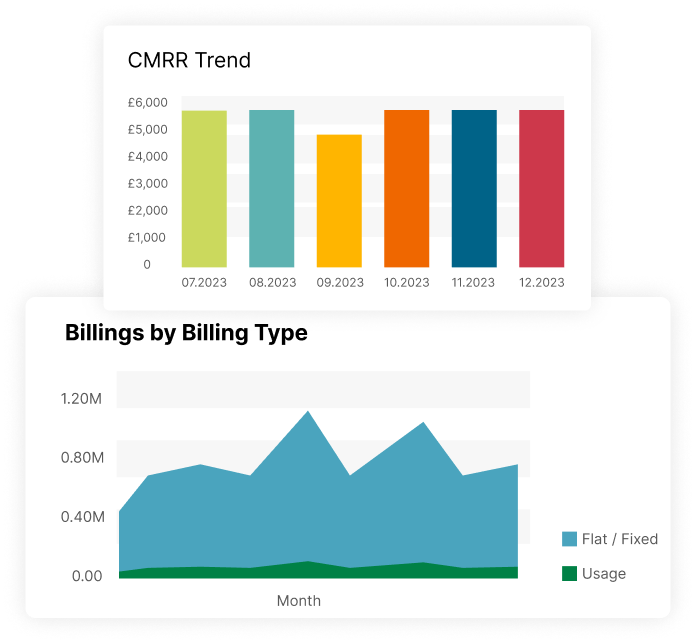
Fire alarm monitoring automatically records alarm activations, faults, maintenance activities, fire drills and other key events in a secure digital audit trail. This information can be quickly retrieved during inspections, insurance reviews or regulatory audits.
Rather than relying on paper records or disconnected spreadsheets, facilities managers can access accurate compliance records whenever they are required, helping simplify audits and demonstrate that fire safety obligations are being met.
Senior management teams require clear information about fire safety performance without becoming involved in day-to-day operational detail.
Fire alarm monitoring provides detailed reporting on alarm activity, false alarm trends, outstanding faults, maintenance performance and system availability. These reports help facilities managers demonstrate effective management while supporting informed decisions about maintenance priorities, investment and risk reduction.
Traditional fire safety management often focuses on responding to problems after they occur. Fire alarm monitoring allows facilities managers to identify issues earlier, reducing risk while improving operational efficiency.
Continuous monitoring enables facilities managers to detect faults before they compromise fire protection, identify recurring issues before they become expensive problems and respond rapidly to genuine fire events.
By preventing avoidable failures rather than simply reacting to them, organisations can reduce disruption, improve compliance and maintain higher standards of fire safety across every building.
Fire alarm monitoring provides complete visibility of your fire alarm systems through real-time alerts, automated reporting and comprehensive audit trails. Instead of relying on manual processes and reactive maintenance, facilities managers gain the information needed to make confident, informed decisions about fire safety.
With continuous oversight of every monitored property, you can spend less time chasing paperwork and more time ensuring your buildings remain safe, compliant and fully operational.