Explore Drax Technology
See how our solutions can work across your portfolio
Explore Drax Technology
See how our solutions can work across your portfolio
Intelligent Compliance And Proactive Safety
Many care home residents are old or infirm. This means that care home fire safety procedures need to plan for the evacuation of residents with varying levels of mobility, cognitive function, and potential sensory impairment. There is a need for vulnerable resident monitoring.
The most common way this is approached is through the use of phased evacuation. However, this requires strict procedures to be followed with robust logistical manoeuvres. For this to be possible, there is a need for specialised healthcare fire safety with critical alarm management across all sites.
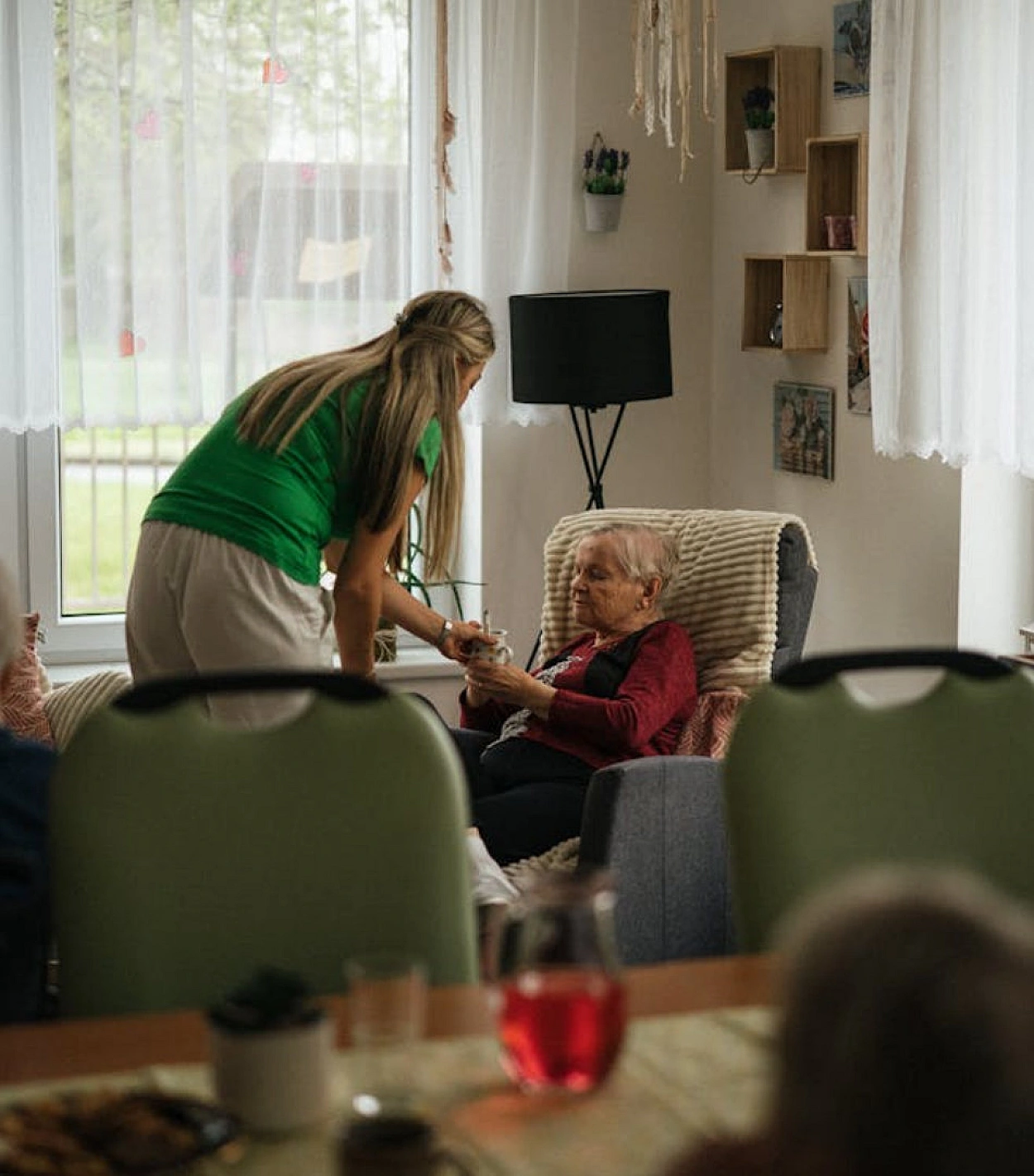
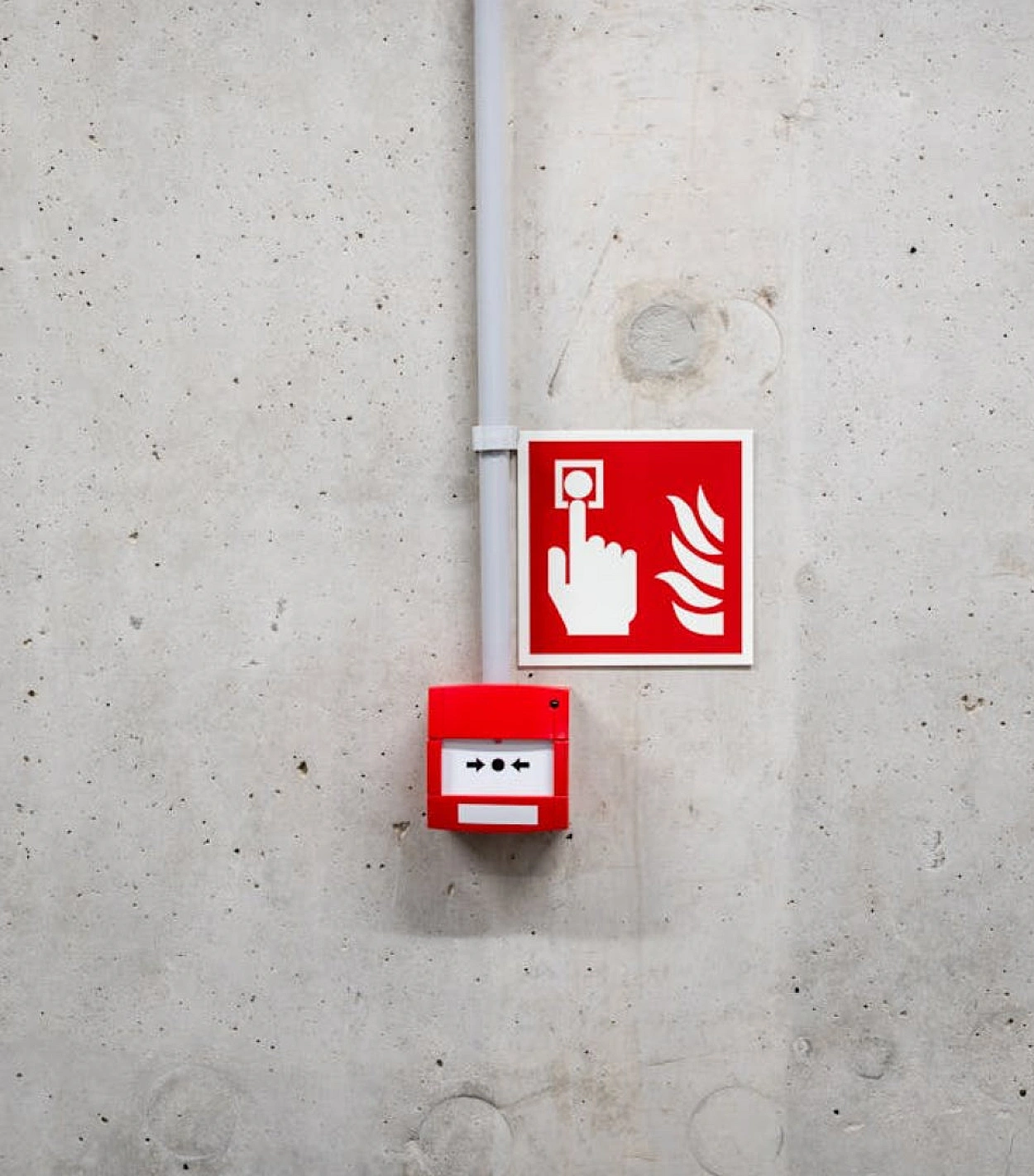
False alarms provide risks to the fire safety of care homes in a few different ways. One of the biggest negatives to repeated false alarms is that they can develop alert fatigue in staff members who are essential to maintain effective fire safety procedures. This results in genuine fire alerts being taken less seriously which can then lead to slower evacuations and the increased chance of fatal incidents. Especially if residents have respiratory issues and are more vulnerable to smoke inhalation and carbon monoxide poisoning.
Other risks include fines being incurred from emergency services for repeated false alarms, and the lifespans of fire safety assets being reduced due to overuse.
Without having a fully integrated solution with a centralised dashboard, maintaining accountability and compliance across multiple sites can be very difficult. This is because there are multiple sources for data and reports that need to be accessed manually and collated through the use of paperwork. This invites more chance for human error to creep in, and makes fire safety compliance efforts very time-consuming to implement.

There are several mandatory compliance points that are required for a care home to be fully fire safety compliant.
The Regulatory Reform (Fire Safety) Order 2005 (RRFSO) places the responsibility of fire safety compliance on the designated ‘Responsible Persons (RP)’ within an organisation. It places a focus on taking a risk-based, proactive management approach to fire safety, rather than just installing the fire safety measures that you are told to by a regulatory body. This promotes the use of fire safety measures that are tailored to the specific needs of any sites within an organisation. Making the fire safety of each unique site more effective.
To ensure that an organisation has full fire safety compliance, RPs are required to:
Conduct fire risk assessments
Implement fire safety arrangements
Establish emergency procedures and training
Provide fire safety maintenance and documentation

Care homes are considered a high risk environment, in terms of fire safety, due to the need for evacuations to start as quickly as possible. This makes a category L1 fire alarm system essential, as it can cover all fire safety assets in all rooms, provide very early detection of fire risks, and enable the implementation of phased evacuations which require more time to complete.

An addressable fire alarm system in a care home assigns a unique address to every fire safety asset across a portfolio. This allows for alerts to be attributed to a specific device with more detailed information, instead of providing a simple alert for a broader zone.
This type of system is critical to effective fire safety as it enables quicker response times, accurate location data, reduced false alarms, and allows for phased evacuation strategies.
To remain compliant and provide effective fire safety in care homes, RPs must continuously run fire risk assessments across their sites. This involves identifying fire hazards and the people who would be at risk, implementing measures that will reduce or remove the risk of fires occurring as well as reducing risk for residents in the event of a fire, recording all findings of the FRA, and reviewing and updating the FRA whenever there is a change to the premises layout or number of occupants.
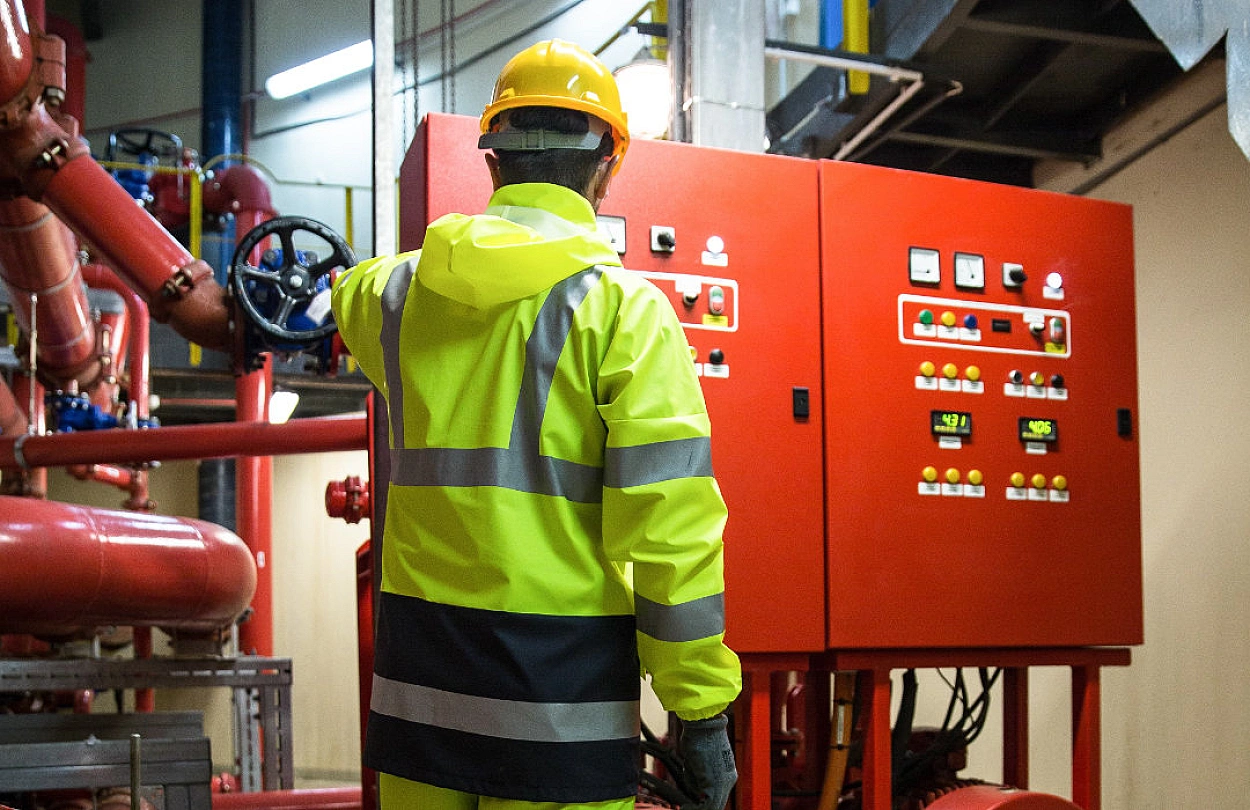























When it comes to fire risk assessments in a care home, reactive alerts and legacy systems are not enough to provide effective fire safety. In fact, there are a number of points in which they are lacking.
By relying on fire safety systems that only provide data on site, PRs can inadvertently create gaps within their fire safety compliance that can cause critical issues if left unchecked. The need to manually attend each site to check on fire safety asset statuses and make other compliance checks can be very time consuming and requires the use of paperwork which can lead to human error. This removes the ability to have a fully up to date log of all fire safety assets across a portfolio, as there will inevitably be gaps between site checks. Small faults can go unseen and have more potential to escalate into something more serious before their next scheduled maintenance check.

Many legacy systems rely on live alerts to provide insight on how a fire safety asset is performing. Essentially, they will only tell you about a problem when it has already occurred. This makes your real-time readiness for a fire event fragile and difficult to maintain.
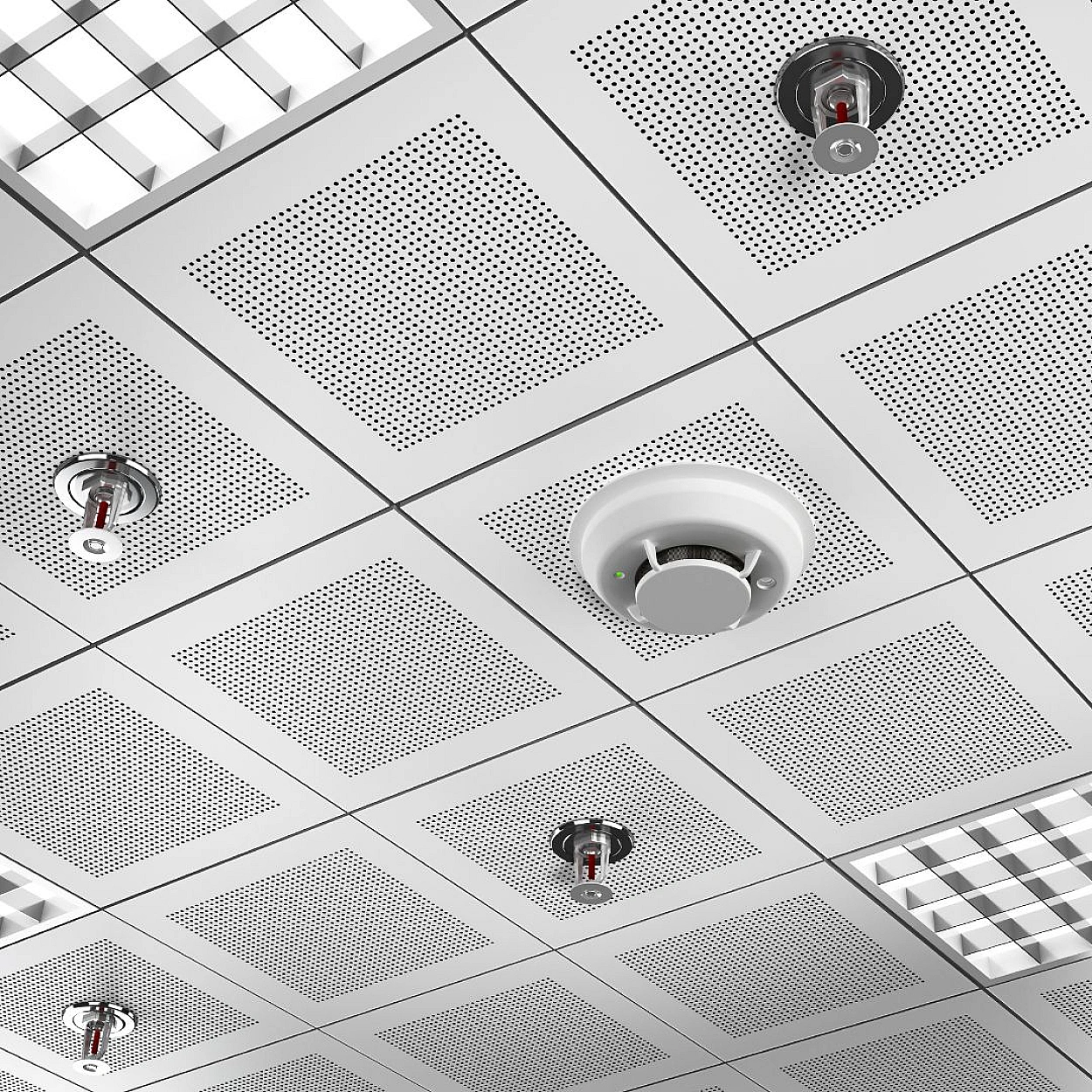
When there are fire safety gaps and a fragile fire safety offering, it is much more likely that a portfolio of sites will be negatively affected by fire risks and non-compliance. As it is a criminal offence for non-domestic premises to be non-compliant with fire safety standards, there are a number of monetary fines that can be issued. Add to this the potential for further fines from emergency services due to repeated false alarms, and ineffective fire safety can become very costly.
Unnecessary downtime can be costly too, with staff schedules being impacted leading to the need for overtime. The routines of residents can also be interrupted, which can lead to staff having to deal with difficult interactions that take up a lot of time, and could have been avoided.
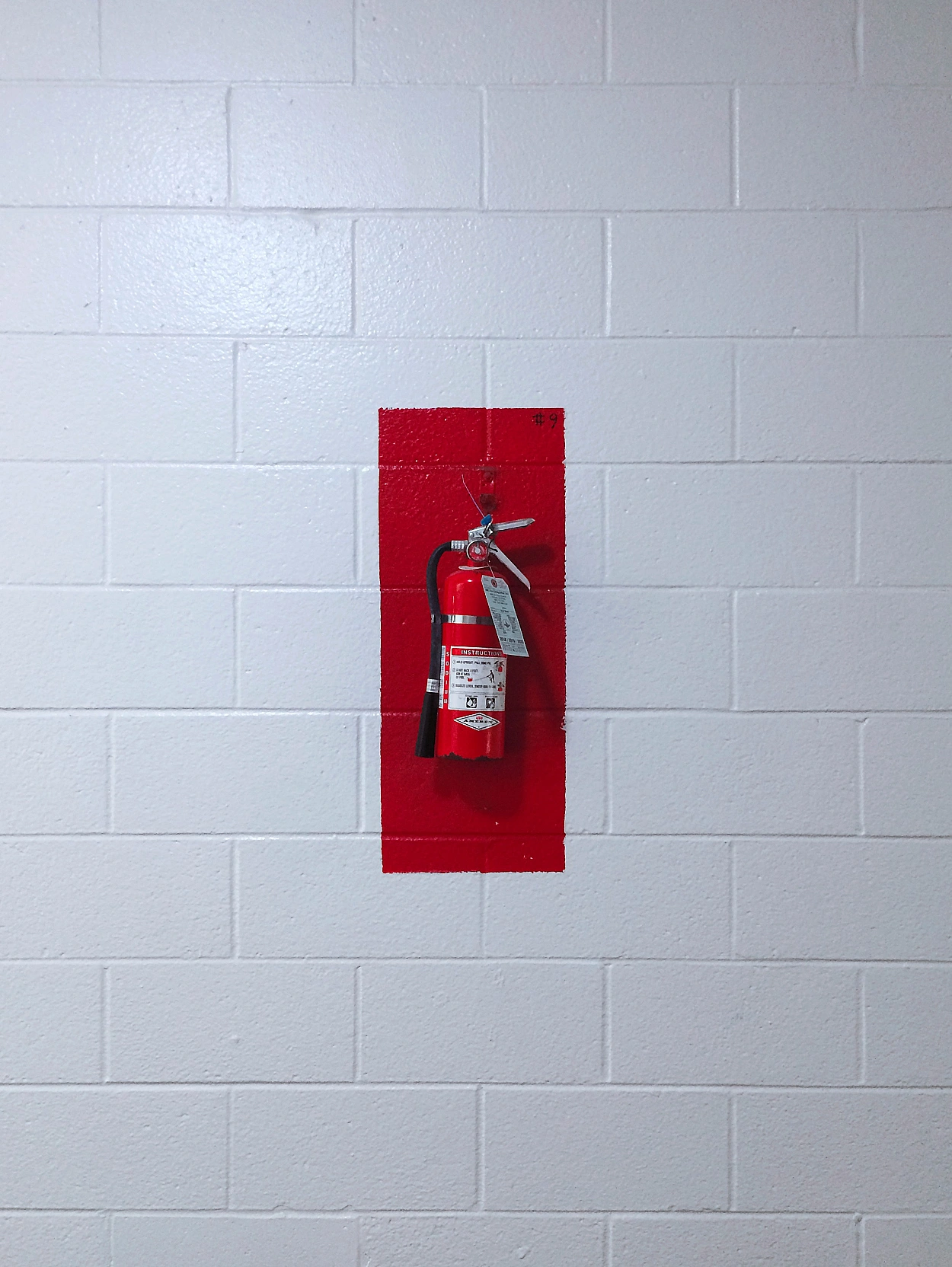

At Drax Technology we don’t just focus on helping you to meet your compliance targets. We can help you to implement real-time systems that enable a proactive approach to fire safety.
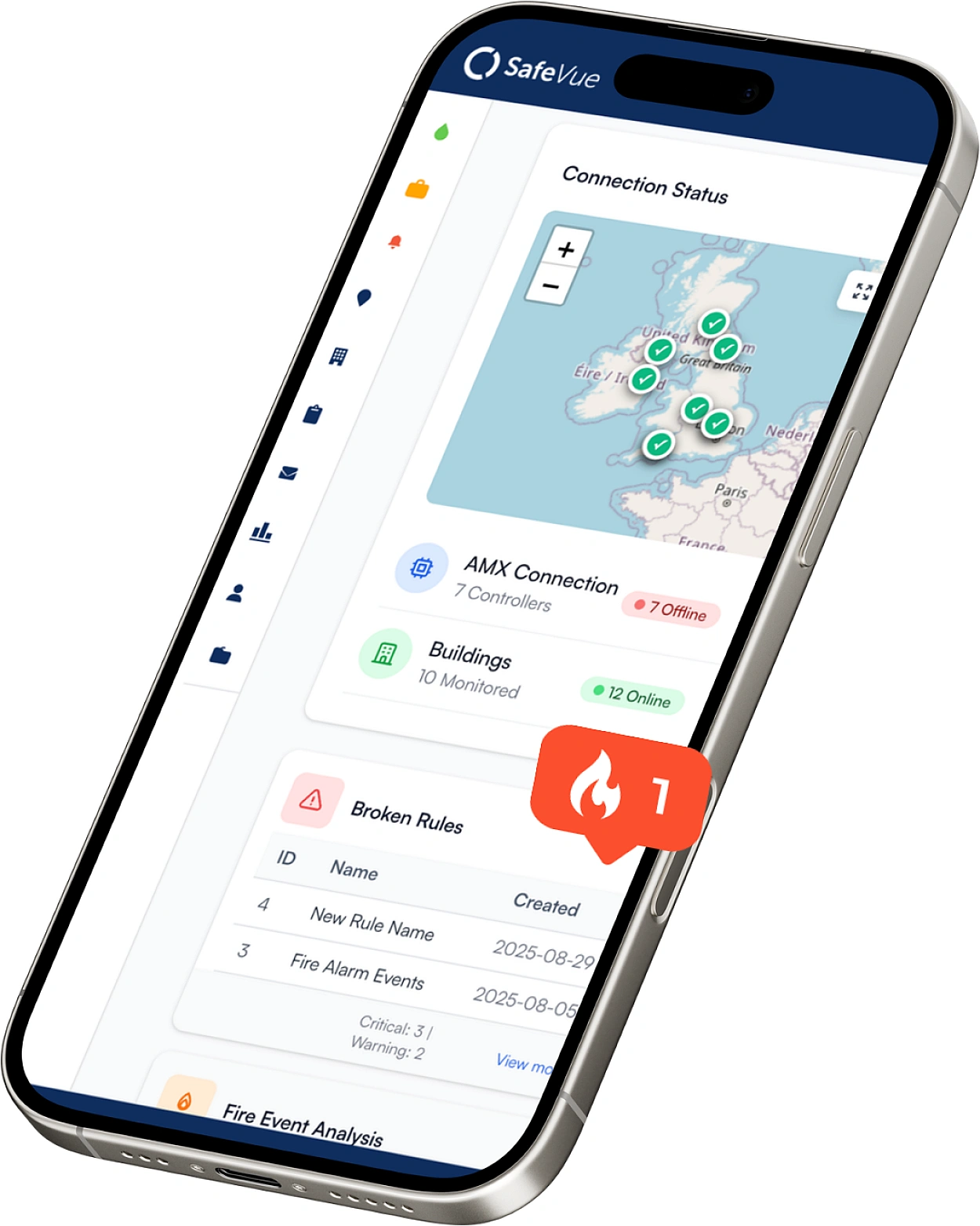
Our intelligent platform allows you to monitor every fire safety asset across your portfolio easily.
Anticipate a fire risk through predictive models, and implement remedial maintenance quickly to prevent it from escalating into a bigger problem.
See the live status of every fire safety asset across your portfolio in real-time, enabling a quicker response to any alerts.
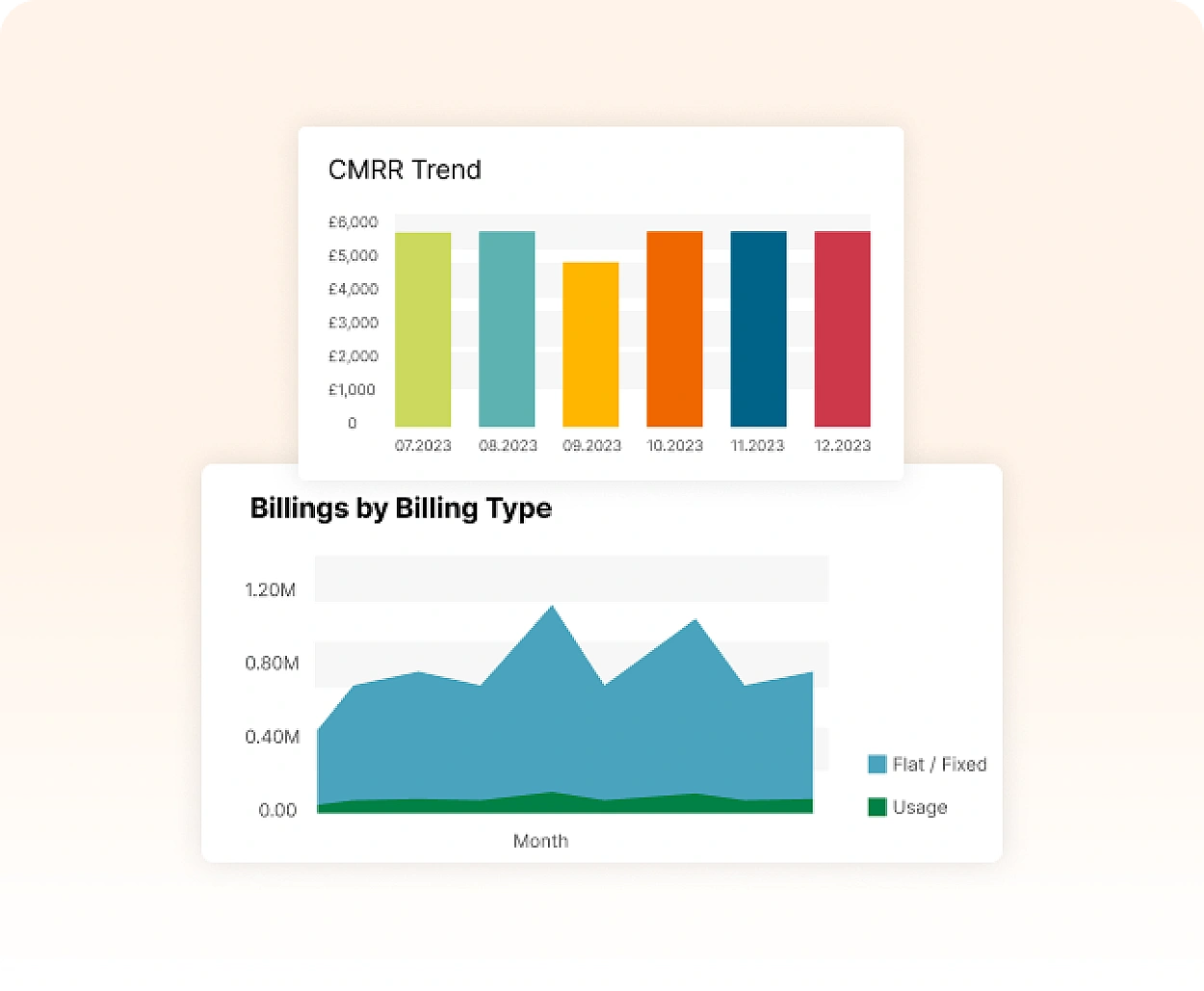
Audit trails are automatically updated and saved locally, non-compliance is flagged automatically, and full reporting can be easily accessed through the compliance hub.
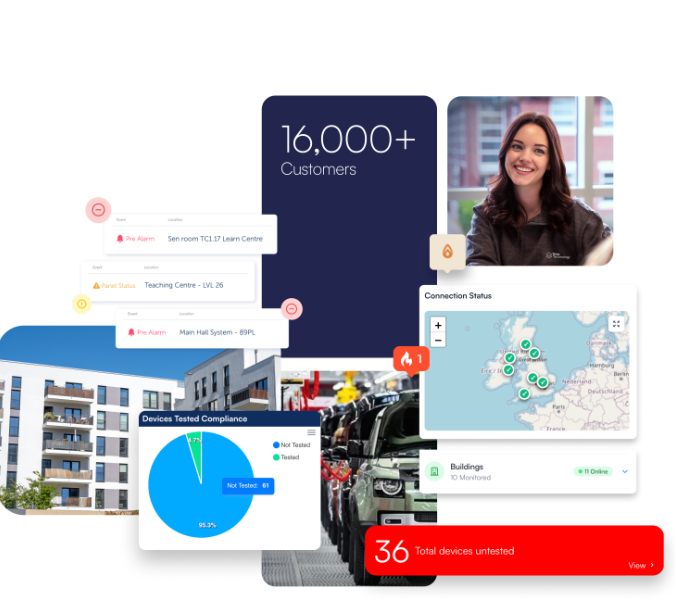
Our system interconnects all fire safety assets across all of your sites with a full overview and centralised control via a user-friendly dashboard.
Our platform is compatible with over 50 fire alarm manufacturers and is capable of integrating assets from multiple brands seamlessly.
Use an intuitive RAG (red, amber, green) rating system to manage fire safety assets proactively, and use real-time data to prioritise actions.
As most care homes require phased evacuation strategies to ensure effective fire safety, there is a need for all staff to have a more involved role in fire safety training. This includes the need for a detailed emergency plan with assigned roles and responsibilities, recurring fire safety training that is tailored to the care home and its staff, and regular fire drills to ensure that all staff are ready in the event of a fire.
This can lead to a lot of paperwork which can be difficult to record and store efficiently.
Our intelligent platform implements automated testing to ensure that all sites are fire safety compliant. All fire safety reports and documents can be saved to the compliance hub so that everything is in one place and can easily be provided to regulatory bodies when needed.
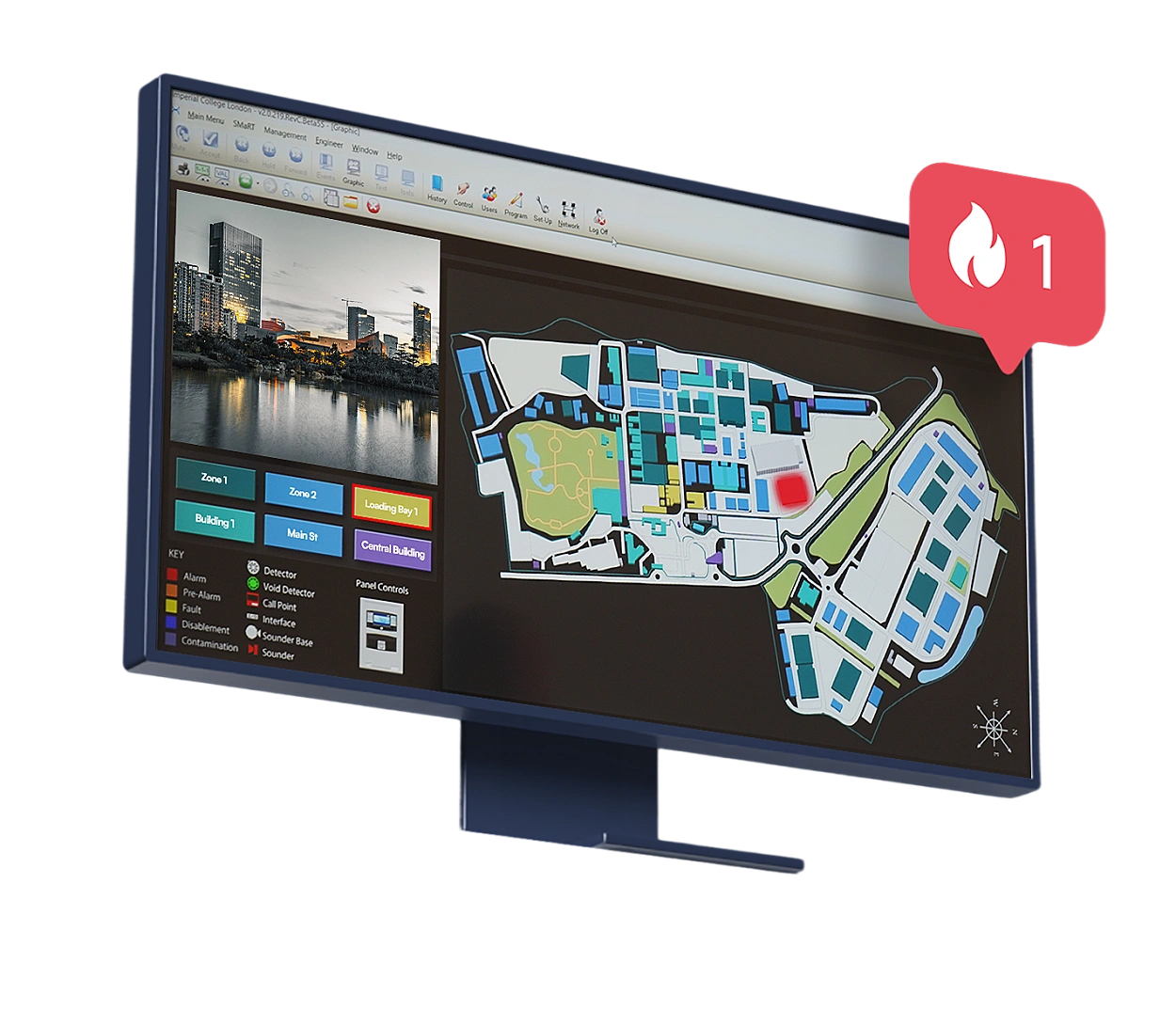
Every fire safety asset across a portfolio has its own audit trail and alert logs which are updated and stored automatically. This enables you to provide specific, in-depth information to regulators and insurers when required.
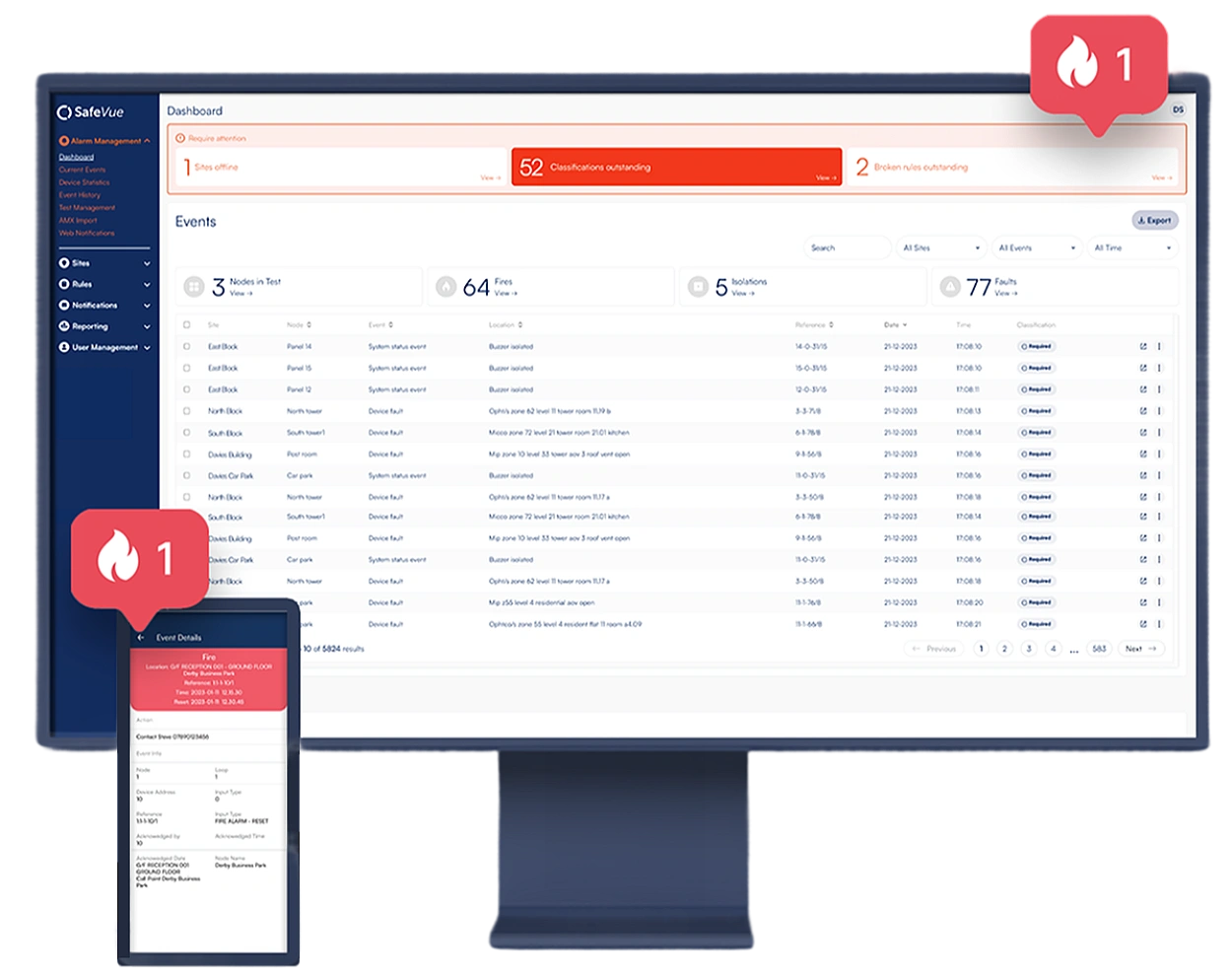
The insight hub provides a high level overview of your fire safety systems and activities. This allows board members to make high level decisions based on overarching statistics. All insights can be drilled down into in-depth reports too which allows for boots on the ground decisions on how to proceed with the maintenance of a single fire safety asset.
Our solutions seamlessly integrate with all major fire alarm panel manufacturers, so you can have peace of mind with both new and legacy systems.
Track and manage building assets digitally, ensuring compliance with servicing schedules and extending equipment life cycles.
Faults are flagged in real time, allowing early intervention before they escalate into costly risks or safety breaches.
We provide intelligent water monitoring solutions that assists with the reduction of legionella risks, providing further assurance of health and safety compliance.
Full visibility across your portfolio highlights hidden risks and inefficiencies before they escalate into costly problems.
Our solutions seamlessly integrate with all major fire alarm panel manufacturers, so you can have peace of mind with both new and legacy systems.
Track and manage building assets digitally, ensuring compliance with servicing schedules and extending equipment life cycles.
Faults are flagged in real time, allowing early intervention before they escalate into costly risks or safety breaches.
We provide intelligent water monitoring solutions that assists with the reduction of legionella risks, providing further assurance of health and safety compliance.
Full visibility across your portfolio highlights hidden risks and inefficiencies before they escalate into costly problems.